For decades, diagnosing Alzheimer’s disease relied almost entirely on clinical judgment: a physician’s conversation with the patient, a history from family members, and a set of standard questions. That has changed. Khurram Nazir, MD, a board-certified neurologist and a past Emerald Coast Medical Association board member, explains what is new and why it matters.
Alzheimer’s disease, the most common cause of dementia, has long been associated with a protein called beta-amyloid that builds up in the brain. Physicians have understood this correlation for decades, largely from research done after death. What was missing was a reliable way to detect it in a living patient before symptoms became severe.
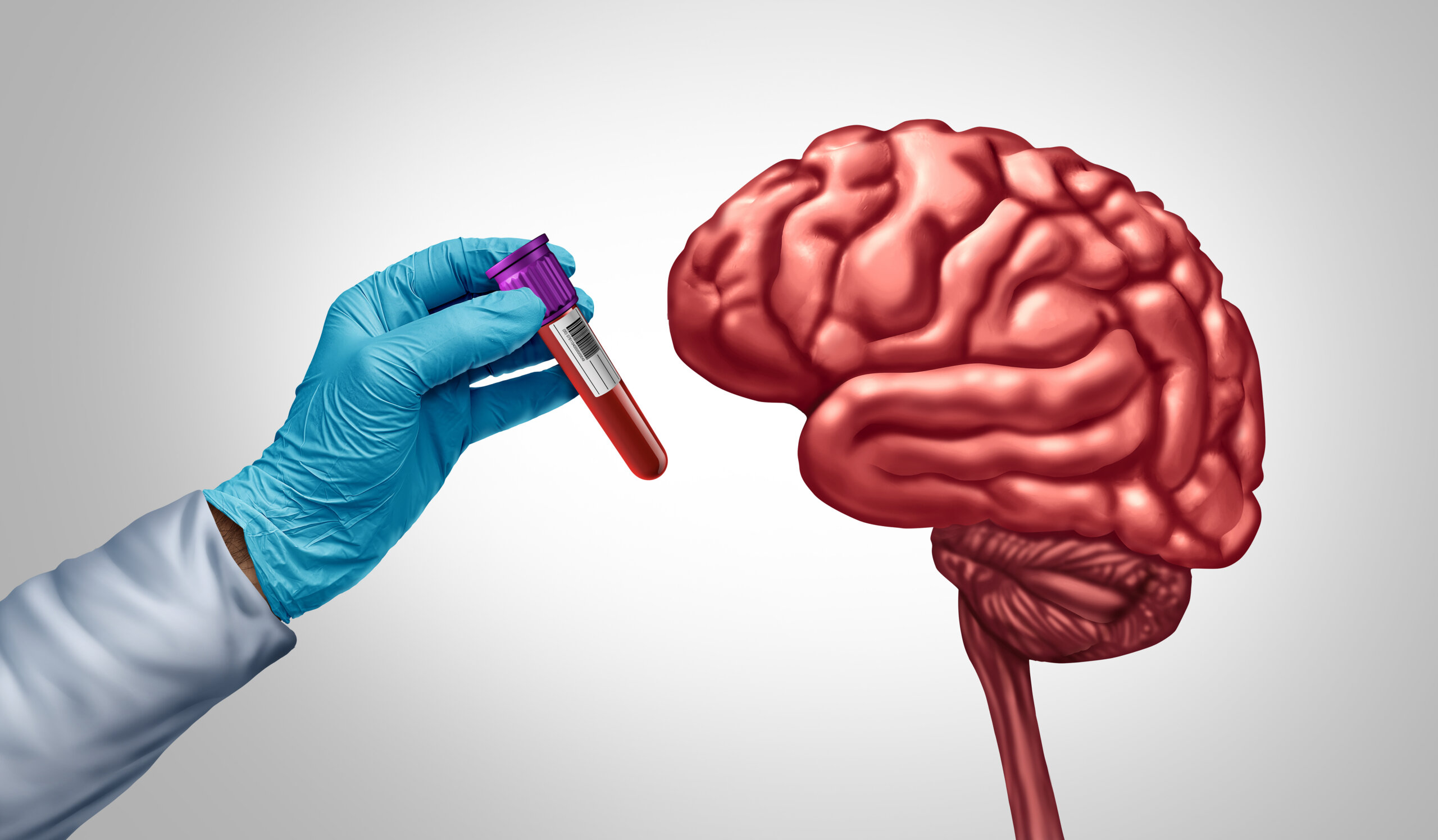
“There’s a lot of objectivity to this now,” Dr. Nazir says. A blood test, now offered by most labs and covered by most insurance plans, can be ordered by any provider, not only a specialist. The test measures a ratio of beta-amyloid proteins along with another marker called P-tau, giving physicians a much clearer picture of a patient’s likelihood of having the disease. A positron emission tomography (PET) scan remains available to confirm results when needed, although access to that scan can require travel outside smaller communities.
The diagnostic advance matters because it connects directly to a new class of treatment. Infusion medications designed to remove beta-amyloid protein from the brain are now available, administered every two to four weeks, with an at-home subcutaneous option recently introduced for one of them. Dr. Nazir describes the results in his own practice in plain terms: patients returning to hobbies and routines they had stepped away from, including one patient who went back to fishing and another who returned to playing guitar.
He is careful not to call this a cure. “I still do not use the term reverse, because technically, we have not achieved that,” he says. But the direction of progress, in his words, is the most dramatic he has seen in neurology in years.
There are real considerations that come with these treatments, including a small risk of bleeding or swelling in the brain, which is why patients are monitored closely with monthly imaging during the early months of treatment.
If you or a family member has noticed changes in memory or thinking, talk to a physician about whether the blood test is appropriate. Early information gives patients and families more options, not fewer.
Khurram Nazir, MD, is a board-certified neurologist and fellowship-trained clinical neurophysiologist practicing on the Emerald Coast. He is a past board member of the Emerald Coast Medical Association. Hear the full conversation on the Emerald Coast Medical Mastery Deep Dive: A Deeper Dive into Dementia.