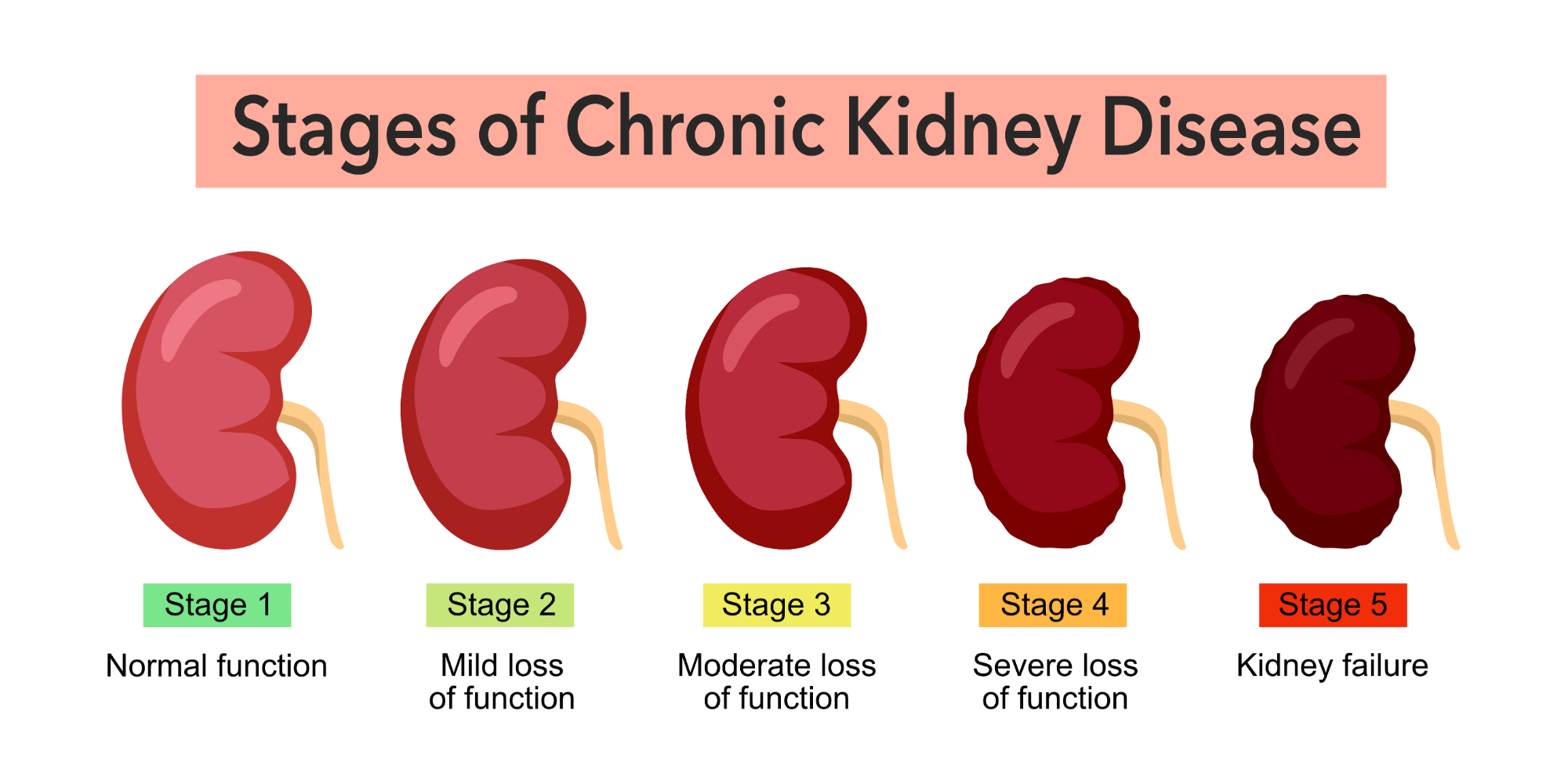
Most patients I see in my office are surprised when I tell them they already have stage three or stage four chronic kidney disease. By the time symptoms appear, kidney disease has often been present for years. This is one of the most important things I want every patient to understand: chronic kidney disease has no symptoms until it is already advanced.
Your kidneys contain more than a million individual filtering units, called nephrons, in each kidney. As disease processes such as diabetes, high blood pressure, or an autoimmune condition damage these filters over time, the loss is permanent. Because you have so many nephrons to begin with, your kidneys can lose a significant amount of function before you feel anything different.
By the time symptoms do appear, kidney function has often dropped to a dangerous level. Those symptoms include swelling in the ankles or legs, nausea, vomiting, confusion, and a general feeling of being unwell that we call uremia, caused by toxins building up in the blood. Waiting for these symptoms before seeking care means waiting until the disease is already severe.
The good news is that chronic kidney disease is detectable years before symptoms begin, through two simple, inexpensive tests. The first is a basic metabolic panel, a routine blood test that measures creatinine and blood urea nitrogen, commonly called BUN. These values allow your doctor to calculate your glomerular filtration rate, or GFR, which estimates how well your kidneys are filtering.
The second, and often more important, test is a urine test called a microalbumin creatinine ratio. This test can detect kidney damage from diabetes, high blood pressure, or obesity even when your blood work and your GFR still look normal. Finding a small amount of protein in the urine, known as microalbuminuria, is often the earliest warning sign available, and it gives your doctor a chance to intervene before the damage becomes permanent.
I recommend every patient with diabetes or high blood pressure ask their primary care physician for a microalbumin creatinine ratio at least once a year, and ideally every six months. If you have never had this test and you live with either condition, it is worth a conversation at your next appointment.
Chronic kidney disease is one of the few serious diseases where early detection genuinely changes the outcome. Do not wait until you feel something to ask.
Dr. Mitchell Hernandez is an Internal Medicine board-certified and nephrologist with Nephrology Associates in Panama City, Florida, and a member of the Emerald Coast Medical Association. Hear more from Dr. Mitchell Hernandez on Episode 23 of Emerald Coast Medical Mastery.