A diagnosis of kidney failure is frightening, and one of the first questions most patients ask is simple: what happens now? As a nephrologist, I want every patient facing this decision to understand that dialysis is a significant change, but it is not a death sentence. Patients on dialysis can still work, travel, and live full lives.
There are three main ways to replace the work your kidneys can no longer do.
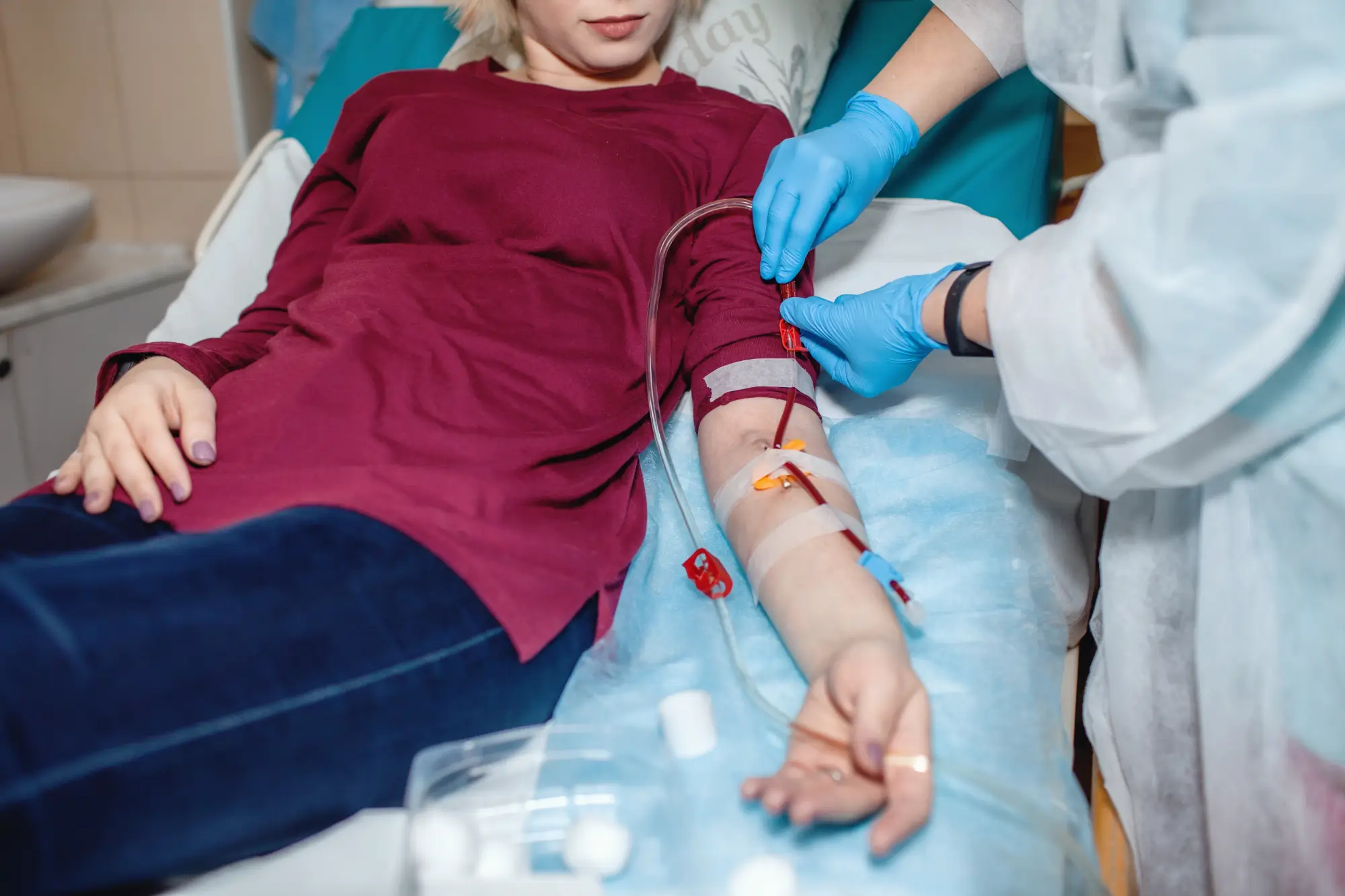
In-center hemodialysis is the version most people picture. Three times a week, for about four hours each visit, you connect to a machine that filters your blood the way healthy kidneys would. This requires a vascular access point, most often a fistula, a connection between an artery and a vein created by a vascular surgeon. A fistula uses your own blood vessels and carries the lowest risk of infection, though it needs six weeks to three months to mature before it can be used. When a patient needs to start dialysis sooner, a graft or a temporary catheter can bridge that gap.
Peritoneal dialysis works differently and happens at home, often overnight while you sleep. A catheter placed in your abdomen allows a specialized fluid called dialysate to flow in and out, using the lining of your own abdomen as the filter, known as peritoneum. Many younger patients choose this option because they can connect to the machine at night, sleep through the exchanges, and disconnect in the morning to go to work. It asks more of the patient day to day, but it offers far more flexibility.
One concept that guides every dialysis treatment is what we call Dry weight (also called estimated target weight) is the weight a dialysis patient is expected to have after dialysis when excess fluid has been removed, while maintaining adequate blood pressure and without symptoms of volume depletion.
The goal is to find the lowest post-dialysis weight that the patient can tolerate without signs of hypovolemia, while avoiding residual fluid overload. At or near dry weight, the patient generally has:
- No significant peripheral edema
- No pulmonary congestion/shortness of breath from volume overload
- Blood pressure reasonably controlled
- No significant orthostatic symptoms or cramping
Too little causes cramping and dizziness. Finding and maintaining that balance is one of the most important things your nephrologist does behind the scenes, and it can shift over time as your health changes
Home hemodialysis is a third path, for patients who want the independence of treating themselves at home, on their own schedule, after training with our team.
None of these options is automatically the right one. The choice depends on your kidney function, your lifestyle, your support system at home, and your own comfort with the process. If one option is not working well for you, it is possible to switch to another.
One concept that guides every dialysis treatment is what we call dry weight, the amount of fluid your body should carry to feel well. Too much fluid causes swelling and shortness of breath. Too little causes cramping and dizziness. Finding and maintaining that balance is one of the most important things your nephrologist does behind the scenes, and it can shift over time as your health changes.
For many patients, dialysis is also a bridge toward a kidney transplant, which remains the goal whenever it is medically appropriate. If you have a willing living donor whose blood type does not match yours, ask your nephrologist about paired kidney exchange programs, sometimes called swap programs, which can significantly shorten the wait for a transplant.
If you or someone you love has recently been told that dialysis may be necessary, talk with your nephrologist about which option fits your life. There is no single right answer, only the one that is right for you.
Dr. Mitchell Hernandez is an Internal Medicine board-certified and nephrologist with Nephrology Associates in Panama City, Florida, and a member of the Emerald Coast Medical Association. Hear more from Dr. Mitchell Hernandez on Episode 23 of Emerald Coast Medical Mastery.